
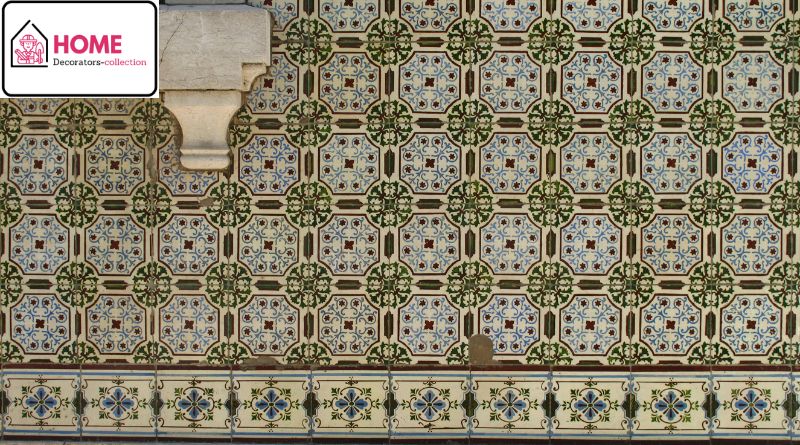
When it comes to upgrading your home or commercial space, few materials offer the versatility, durability, and sheer visual impact that tiles do. From ancient Roman bathhouses to ultra-modern kitchen renovations, tiles have remained one of the most trusted and widely used surfacing materials in the world. And for good reason — they combine practical performance with aesthetic freedom in a way that almost no other material can match.
Why Tiles Remain a Top Choice for Homeowners
Walk into any well-designed kitchen, bathroom, or living area, and chances are you’ll spot tiles somewhere. That’s not accidental. Tiles are built to withstand the harsh realities of daily life — moisture, heat, foot traffic, and constant cleaning — all while looking fresh and polished year after year. Unlike wood, which warps, or carpet, which stains and traps allergens, tiles hold up remarkably well against the elements of everyday use.
What makes tiles particularly appealing is the sheer range of options available today. You’re no longer limited to the basic white square. Modern manufacturing has given us large-format tiles that mimic the look of poured concrete, wood-effect planks that give you the warmth of timber without the maintenance headaches, and handcrafted encaustic patterns that turn a simple floor into a work of art. Whether your design style leans minimalist, industrial, rustic, or maximalist, there’s a tile out there that fits perfectly.
Beyond aesthetics, tiles are genuinely one of the most hygienic surfaces available. Their non-porous surface (especially glazed varieties) doesn’t harbor bacteria or mold the way softer materials do. This is why hospitals, commercial kitchens, and food preparation areas rely on them so heavily — and why they make such an intelligent choice for home bathrooms and kitchens too.
Understanding the Different Types of Tiles
Not all tiles are created equal, and understanding the differences can help you make a smarter buying decision. Ceramic tiles are the most widely used variety — they’re fired clay products that are affordable, easy to cut, and available in an enormous range of sizes and finishes. They work well on walls and in low-to-medium traffic floor areas.
Porcelain tiles, on the other hand, are a denser, harder version of ceramic made from finer clay fired at higher temperatures. They’re less porous and significantly more durable, making them an excellent choice for high-traffic floors, outdoor areas, and even bathroom shower walls. If you’re tiling a busy family kitchen or an open-plan living area, porcelain is usually the smarter long-term investment.
Natural stone tiles — think marble, travertine, slate, and granite — bring a luxurious, organic feel that manufactured tiles simply can’t fully replicate. Each piece is genuinely unique, with its own veining, color variation, and texture. However, they do require sealing and more careful maintenance than ceramic or porcelain options. If you’re going for a high-end look and are willing to invest in proper care, natural stone tiles reward you beautifully.
Glass tiles are another category worth mentioning, particularly for feature walls, backsplashes, and decorative borders. They reflect light in a way that makes spaces feel larger and more luminous. They’re not ideal for floors, but on walls and in wet areas, they create a striking visual effect.
Choosing the Right Tiles for Each Room
The golden rule of tile selection is to match the tile to the room’s demands. A delicate decorative ceramic that looks stunning on a kitchen backsplash might not survive a year on a busy hallway floor. Always check the PEI (Porcelain Enamel Institute) rating on floor tiles — it tells you how much foot traffic the tile is rated to handle.
For bathrooms, slip resistance becomes an important factor, especially on shower floors. Look for tiles with a textured finish or a higher R-value (slip resistance rating) to keep wet surfaces safe. Matte finishes generally offer better grip than high-gloss tiles in wet conditions.
In kitchens, durability and ease of cleaning should drive your decision. Large-format tiles with minimal grout lines are easier to wipe down and look sleek. For floors, a tile that hides minor staining between cleanings — think mid-tones and slightly textured finishes — will serve you better than stark white.
Outdoor tiles need to be frost-resistant and non-slip. Porcelain tiles with a rough or sanded finish are typically the safest outdoor choice, able to cope with rain, temperature changes, and heavy use.
Installation and Long-Term Care
Even the most beautiful tiles can look terrible if poorly installed. Proper surface preparation is everything — tiles laid over an uneven or damp substrate will crack and lift over time. A professional installation, while an added upfront cost, pays for itself many times over in longevity and finished quality.
Once installed, maintaining tiles is refreshingly simple. Regular sweeping and mopping with a pH-neutral cleaner keeps ceramic and porcelain tiles in excellent condition. Grout lines do require occasional attention — sealing them after installation and re-sealing every couple of years prevents discoloration and moisture penetration.
Tiles represent one of the most sound investments you can make in your home. Their lifespan can stretch for decades with minimal upkeep, and their timeless appeal means they rarely look dated. Whether you’re renovating a single bathroom or reimagining an entire living space, choosing the right tiles lays the foundation for a space that is both beautiful and built to last.
read also: How to Set Up My Home Decoradtech