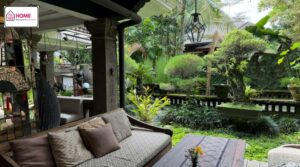

A garden is never just a garden. It is a living, breathing extension of the home — a place where structure meets wildness, where stone meets soil, and where the idea of beauty becomes something you can actually walk through. The concept behind garden guide homenumental is exactly this: treating your outdoor space not as an afterthought but as a monumental expression of home design. Whether you are starting from bare earth or reimagining an overgrown plot, this guide is built to help you think bigger, plant smarter, and create something that genuinely lasts.
Why the Homenumental Approach Changes Everything
Most people approach gardening with a list — what to plant, when to water, which fertilizer to buy. That checklist mentality produces gardens that look fine but feel forgettable. The garden guide homenumental philosophy pushes against that. It asks you to step back and see your garden the way an architect sees a building — as something with intention, proportion, and a soul. This means thinking about sightlines from inside your home, the way pathways guide movement, how seasonal change will affect color and texture, and what the space feels like at different times of day. When you begin with that kind of vision, every practical decision that follows — what shrubs to plant along the boundary, whether to use gravel or paving, how wide to make the beds — starts to feel purposeful rather than arbitrary.
Planning Your Garden with Structure in Mind
Start with the Bones
Before you buy a single plant, map out the structural elements of your garden. These are the features that remain visible year-round — walls, hedges, paths, raised beds, pergolas, and specimen trees. In the garden guide homenumental framework, these are called the bones of the garden, and getting them right is the single most important thing you can do. A well-placed stone path does more for a garden’s character than a hundred seasonal flowers. Think about symmetry where it feels right and deliberate asymmetry where it adds energy. Mark out your zones — areas for sitting, areas for growing, areas for play if needed — before committing anything to the ground.
Choosing Plants that Make a Statement
Once your structure is in place, plant selection becomes much more intuitive. You are no longer filling space randomly — you are clothing a framework. Choose plants that reinforce the mood you want. Tall ornamental grasses bring movement and softness. Clipped box or yew hedging adds formality and permanence. Climbing roses or wisteria on a pergola frame create a sense of depth and romance. The garden guide homenumental approach favors plants with multiple seasons of interest — things that look beautiful in spring bloom, carry structure through summer, offer autumn color, and leave attractive seed heads or bark through winter. This layered thinking is what separates a truly memorable garden from one that peaks for three weeks in June and disappears for the rest of the year.
Bringing the Home and Garden Together
Connecting Indoor and Outdoor Spaces
One of the most powerful ideas within the garden guide homenumental is the connection between the interior of your home and the garden outside it. This is not just about having large glass doors, though that helps. It is about aligning materials, sightlines, and proportions so that the transition feels seamless. If your home has warm terracotta tones, bring those into the paving or the planters. If your interiors are minimal and modern, let that restraint carry into the garden design — clean lines, limited plant palette, strong geometric shapes. The garden should feel like it belongs to the same story as the house, not like a separate project someone else designed.
Lighting, Water, and Detail Work
The finishing details are what elevate a garden from good to genuinely monumental. Soft lighting along paths and beneath key trees transforms the space after dark. A small water feature — even a simple wall-mounted spout into a stone basin — adds sound and movement that make the garden feel alive. Carefully chosen containers, well-made furniture, and considered edging all signal that the space has been thought about deeply. Following a garden guide homenumental principle means never treating these elements as optional extras. They are part of the design from the beginning.
read also: Home Upgrading Advice Mintpalment